
chapter 3
My ultra cycling sleep strategy on the TBR was simple: pack for every night, even if you only need the kit once.
The first night, I stopped at a village on the edge of a lake. I found a shelter, laid out the kit, and tried to sleep. The frogs were loud — relentlessly loud. I slept one hour.
That was the only night I used the bivouac kit. Every other night on the TBR, I made it to a town and slept indoors. But I didn’t know that in advance. Nobody does. You pack for every night, even if you only need it once.
That’s the point.
Why Ultra Cycling Sleep Strategy Wins Races
Ultra-cycling has changed. For years, the dominant mindset was simple: sleep as little as possible, ride as much as possible. The riders who pushed through the night were considered the toughest.
Then the data started telling a different story. Riders who slept — really slept — were moving faster during the day. Their decision-making was sharper. Their bodies were recovering. The ones who skipped sleep were slowing down, making mistakes, and dropping out.
The ultra world is shifting. Some races now impose mandatory rest periods — the logic being that a rested rider is a faster rider. Sleep isn’t weakness anymore. It’s a competitive advantage.
On the TBR, nobody tells you when to sleep. That’s your call. But the math is becoming clear: a few hours of real sleep buys you hours of strong riding. Skip it, and you pay the price somewhere on a karst plateau at 3am.
The setup
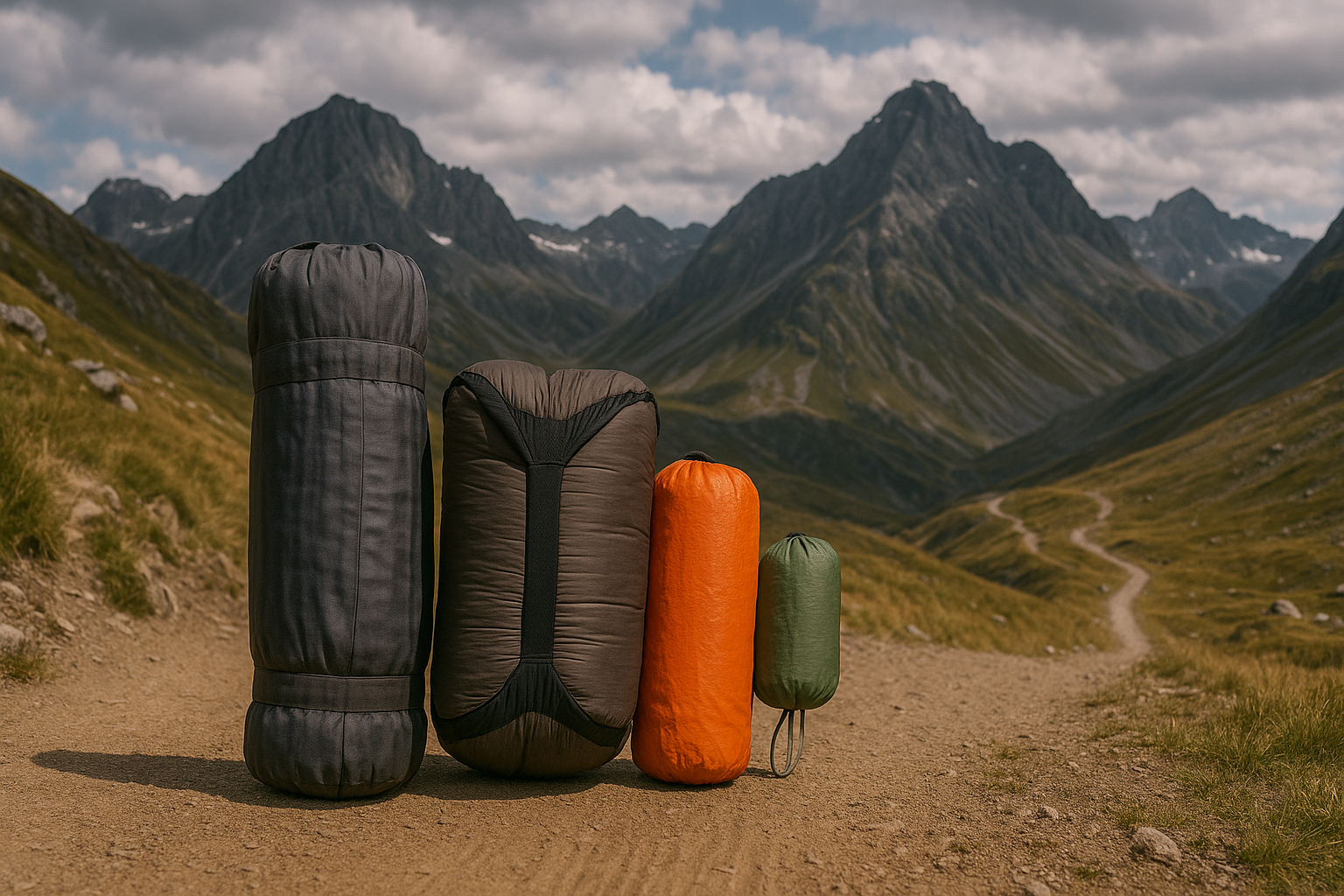
The kit has to earn its place. Ultralight, compact, reliable — it competes for space with food stocks inside the Apidura Frame Pack 6.5L. Three items in the frame bag. The mattress on the handlebar.
Sleeping bag — Sea to Summit. Compresses small, packs fast, warm enough for the Balkans at altitude. Non-negotiable.
Pillow — Sea to Summit. Inflatable, weighs nothing, makes a few hours of sleep under a shelter actually work.
Mattress — Therm-a-Rest. Insulation from the ground matters more than comfort. Cold ground kills your sleep faster than noise or light. Rides on the handlebar — out of the way, always accessible.
Bivy — SOL Escape. Waterproof, windproof, emergency-grade. On the TBR you don’t always find shelter. The bivy is your shelter.
The principle
The goal is simple: sleep enough to keep moving. Between 3 and 5 hours. Every night.
Get horizontal. Get warm. Get back on the bike.
This is part of The Ultracyclist Files TBR series — written for mid and back of pack riders who want to finish, not just start. Next post: nutrition and food strategy.
Follow the journey on Instagram → @gravel_bikeandride📸📲